
Эта статья доступна только на английском языке.
Options Trading Basics 2025: Understanding Strike Price , Expiry, and Premium
Introduction
The terms strike, expiry, and premium represent essential components of options trading. These terms define how an options contract functions and how its value evolves over time.
Industry data from the Options Clearing Corporation indicates that millions of contracts are traded daily.
However, many market participants lack a complete understanding of how these factors determine an option’s potential outcome.
The following sections explain each of term, clarifying their interdependence and practical relevance in derivatives trading.
What Is the Strike Price?
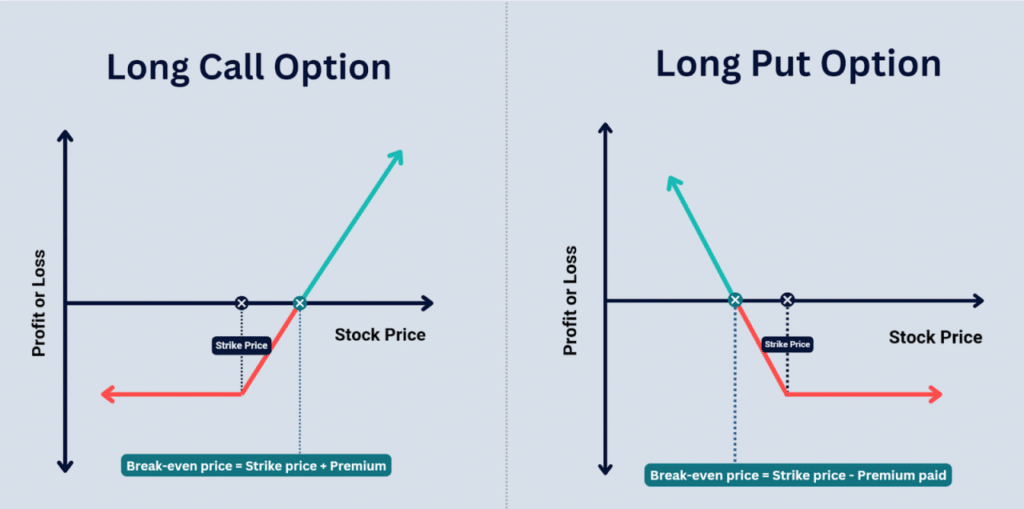
The strike price (also called the exercise price) is the predetermined level at which the underlying asset may be bought or sold under an options contract.
It is the principal factor in determining whether an option is in the money, at the money, or out of the money classifications describing the relationship between the strike and the asset’s spot price.
For a call option, profitability arises when the asset’s market price exceeds the strike price, while for a put option, the reverse applies.
Strike selection is often guided by market outlook and risk tolerance, forming a key component of option trading strategy basics.
Understanding Expiry in Options Trading
The expiry (or expiration date) is the point at which an options contract ceases to exist. After this date, the right to exercise the option becomes invalid.
Weekly expiry options provide shorter-term exposure, whereas monthly expiry options allow more time for price movement and time value retention.
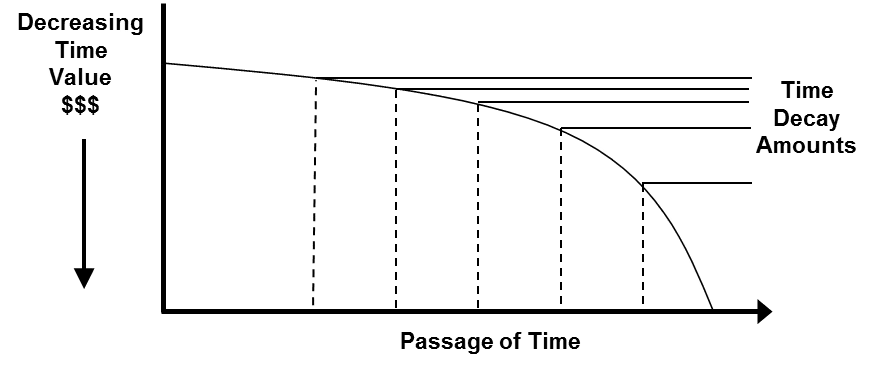
As expiry nears, Theta decay the gradual erosion of an option’s time value accelerates, reducing the premium.
It is important to manage open positions before expiry to avoid unwanted automatic exercise or expiry without value.
This process is central to effective risk management in options.
What Is the Option Premium?
The option premium is the price paid by an option buyer to acquire the contract from an option seller.
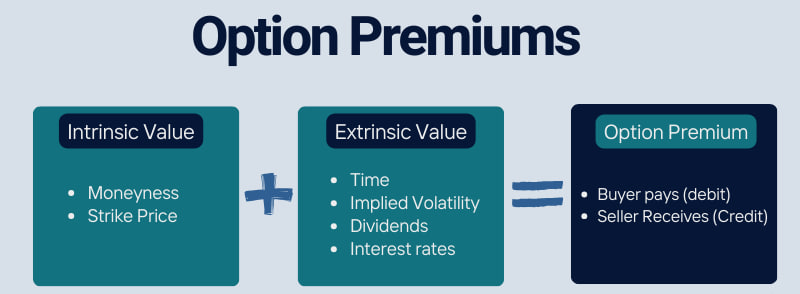
It represents the total cost of holding a trading position and reflects both intrinsic value (the immediate value if exercised) and time value (the portion based on remaining time and volatility).
Premium levels are influenced by several variables: volatility in options, time to expiry, and the underlying asset’s price. From the buyer’s perspective, the premium is a cost; for the seller, it is income subject to potential obligation at exercise.
Understanding how premium works enables accurate option value calculation and more informed trading decisions.
The Relationship Between Strike, Expiry, and Premium
The strike price, expiry, and premium operate together within option pricing models such as the Black-Scholes model.
The strike defines the contract’s threshold, expiry dictates its time horizon, and the premium adjusts dynamically with market volatility and remaining duration.
Time and volatility exert significant influence over premium behavior. Recognizing how these factors interact assists traders in evaluating option payoff potential and avoiding mispricing errors when interpreting an options chain.
Common issues among new participants include selecting unsuitable strike levels or overlooking how time decay or Theta decay affects option value as expiry approaches.
Practical Tips for Beginners in Options Trading
Utilize educational platforms and analytical tools for ongoing options trading education and option analysis.
Review an options chain carefully to interpret strike levels, expiry dates, and corresponding premiums.
Practice through paper trading before deploying capital to gain familiarity with strike vs. spot price dynamics.
Evaluate whether the premium cost is fair by comparing implied volatility and historical trends.
Apply structured risk management to maintain controlled exposure and capital preservation.
Conclusion
Comprehending strike, expiry, and premium is essential for understanding the structure and valuation of financial options. These three variables collectively determine how an option behaves under different market conditions.
When examined together the strike establishing the transaction level, the expiry defining the time frame, and the premium reflecting market expectations they form the foundation of all options trading strategies.
Consistent observation and analysis of these components can support a more systematic approach to options market participation and derivatives trading in general.